
How to Safely Get Rid of Saddle Sores
↓ What a Saddle Sore Actually Is
↓ Why Saddle Sores Linger So Long
↓ Most Effective Tool: Heat
↓ Why You Should Not Aggressively Pop Saddle Sores
↓ Dryness Is Non-Negotiable
↓ Chamois Cream
↓ Reduce Pressure While the Sore Heals
↓ Shorts Hygiene
↓ Avoid Over-Cleaning the Area
↓ When Riding Through Pain Becomes Counterproductive
↓ Recurring Saddle Sores
↓ When to Pause and Get Medical Help
↓ The Real Takeaway
Saddle sores are one of the most common and misunderstood problems in cycling. Nearly every rider experiences one at some point, yet very few are taught how to actually deal with them. The result? Small, manageable issues turn into painful, recurring problems that disrupt training for weeks.
Many riders just “wait until this goes away to resume training”, when there are some actionable steps that you can take to eliminate this pesky problem.
Understanding the cause and effect will also help you avoid this problem in the future.
What’s worse is that many of the “solutions” riders rely on, such as popping, over-cleaning, and others, actively slow healing and increase the chance the sore returns.
This article is about what actually works.
What a Saddle Sore Actually Is
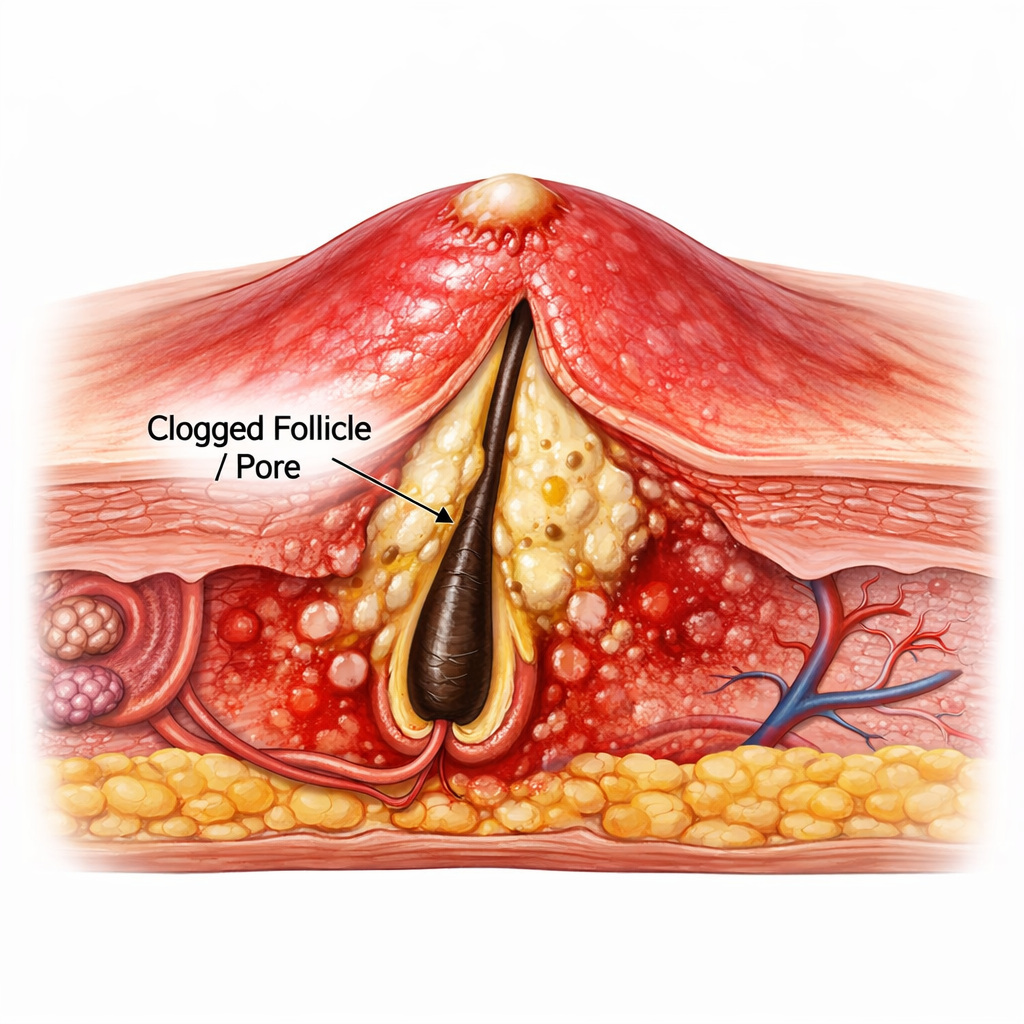
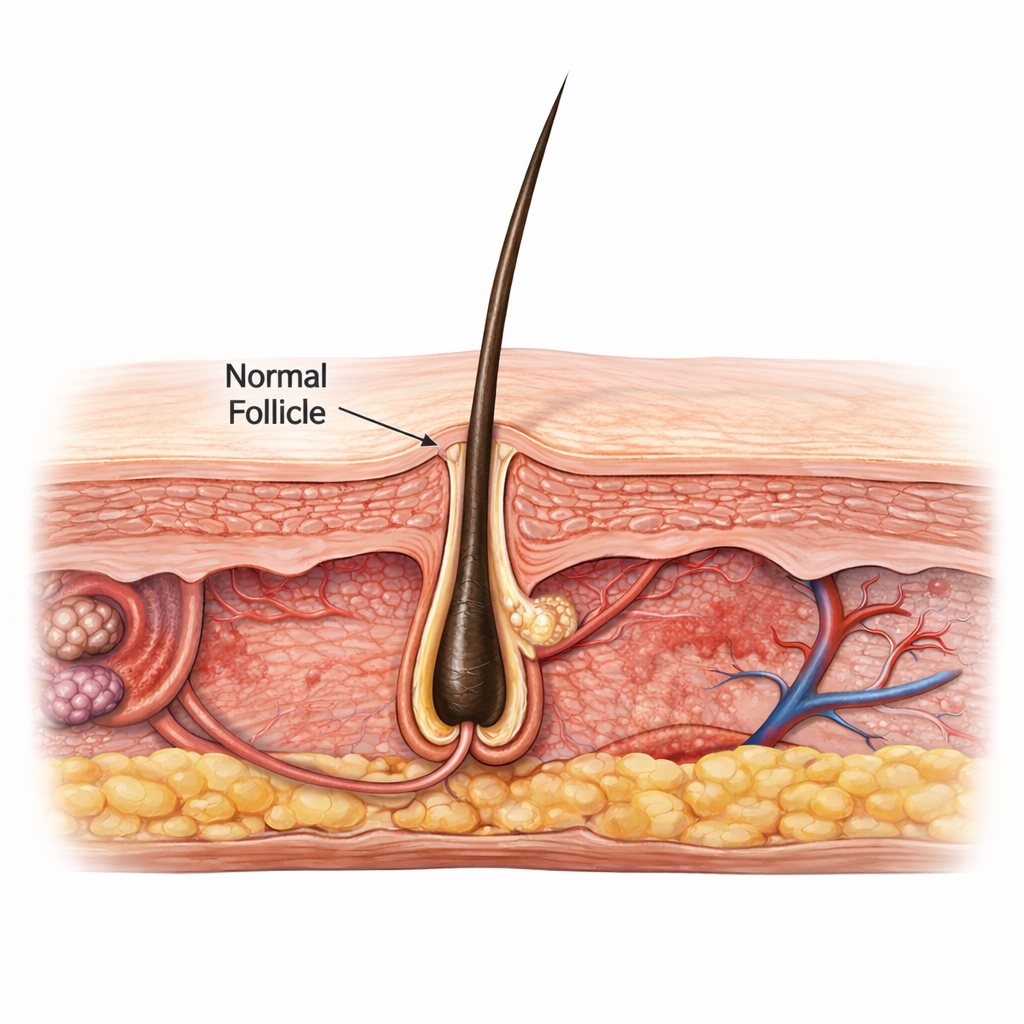
A saddle sore is not one single thing. That’s part of the confusion.
Most saddle sores involve some combination of:
A blocked hair follicle or pore
Localized bacterial overgrowth
Inflammation from pressure and shear
Skin breakdown due to moisture
They commonly appear where:
Pressure is highest
Skin stays warm and damp
Shorts repeatedly rub in the same direction
In other words: saddle sores are a skin-management problem.
Why Saddle Sores Linger So Long
The reason many saddle sores last weeks (or keep coming back) usually comes down to one or more of the following mistakes:
The rider keeps riding exactly the same way
The area stays damp after showers and rides
The sore is aggressively popped or picked at
Harsh chemicals are used repeatedly
Shorts hygiene is inconsistent or the shorts are worn out
Pressure is never reduced long enough for tissue to heal
Healing requires time, blood flow, and clean, dry tissue. Anything that interferes with those slows the process.
Most Effective Tool: Heat
This is the most overlooked and most effective technique for healing saddle sores.
Think of a saddle sore the same way you’d think of a stye in your eye. The treatment isn’t force — it’s heat.
Heat increases blood flow, softens tissue, and helps clogged pores or follicles drain naturally.
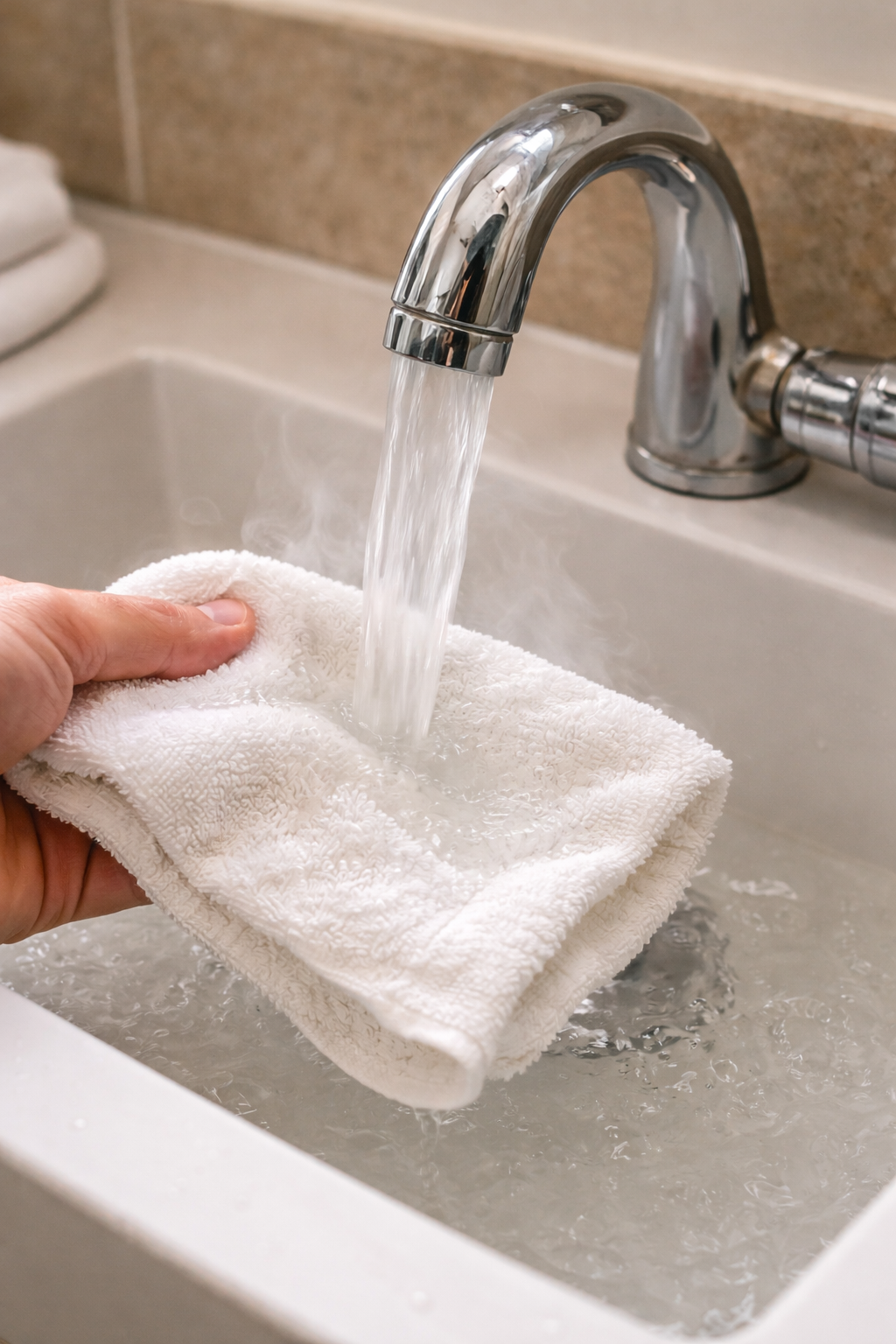
How to Use a Warm Compress Properly
Take a clean washcloth
Run it under very warm (but not scalding hot) water
Apply it to the area for 3–5 minutes, continually re-warming the cloth as it cools
Do this two or three times per day
Once the tissue softens, use your fingers to gently massage around the sore, not directly on top of it.
The goal is to:
Encourage drainage
Reduce pressure inside the tissue
Avoid trauma to the skin
This approach often shortens healing time dramatically — especially when used early.
Why You Should Not Aggressively Pop Saddle Sores
This deserves its own section because it’s one of the most common mistakes.
Aggressively popping a saddle sore:
Forces bacteria deeper into tissue
Increases inflammation
Raises the risk of scarring
Makes recurrence more likely
Even if fluid comes out, the tissue trauma you create often resets the healing clock.
If a sore drains on its own after heat and gentle massage, that’s very different. Forced popping is not drainage — it’s injury.
Dryness Is Non-Negotiable
If there’s one principle that applies to every saddle sore, it’s this:
Damp skin does not heal well.
After showering or riding:
Gently pat the area dry
Then actually dry it
A hair dryer on low or warm is incredibly effective and safe if used briefly. This is especially important if:
You’re riding again the next day
You live in a humid climate
You tend to sweat heavily
Dry skin maintains its barrier function. Moist skin breaks down and becomes vulnerable to bacteria.
Chamois Cream
Chamois cream is something I have always used. I know some riders prefer to ride without it, but after riding 30,000km seasons with very few saddle sores, I’m a firm believer in a quality cream.
When Chamois Cream Helps
During high-volume or consecutive riding days
In hot, humid conditions
When friction is unavoidable. Chamois cream keeps everything gliding smoothly! No skin shearing.
An antibacterial formula can reduce bacterial load and limit progression while the skin heals.
When It’s Not the Solution
It doesn’t fix poor saddle fit
It doesn’t override bad hygiene
It doesn’t replace terrible bib shorts
Reduce Pressure While the Sore Heals
Healing tissue does not respond well to repeated compression and shear.
This doesn’t mean you must stop riding entirely, but it does mean you may need to modify behavior temporarily.
Practical ways to reduce pressure:
Stand slightly more often
Avoid long, steady seated efforts
Shorten rides for a few days
Avoid maximal torque grinding
Also worth checking if saddle sores happen to you often:
Saddle height (too high increases shear)
Saddle tilt (excessive nose-up increases pressure)
Shorts condition (worn pads create uneven pressure)
Saddle condition—you can wear out one side more than other and that imbalance creates issues
Bib Short's Hygiene
This is where many riders unknowingly sabotage themselves.
Best practices:
Wash shorts immediately after riding
Use mild detergent
No fabric softener
Air dry when possible
Never re-wear “just once”
Fabric softener leaves residue that traps bacteria and reduces breathability. Re-wearing shorts reintroduces bacteria directly to compromised skin.
If saddle sores are recurring, this is one of the first places to look.
Avoid Over-Cleaning the Area
It’s natural to want to “nuke” a saddle sore with disinfectants. Unfortunately, repeated use of harsh chemicals often backfires.
Be cautious with:
Alcohol
Hydrogen peroxide
Strong antiseptics
Occasional use is supposedly fine, but I’ve never used those. Wash, dry, apply some anti-bacterial chamois cream or Cerava lotion. Daily or repeated application of other chemicals can:
Kills healthy skin cells
Delays repair
Increases irritation
Clean, dry, intact skin heals better than sterile but damaged skin.
When Riding Through Pain Becomes Counterproductive
There’s a difference between discomfort and tissue damage.
If sitting on the saddle feels sharp, focal, or progressively worse:
You are not “building resilience”
You are prolonging inflammation
Elite athletes don’t avoid rest because they’re tough — they rest because they want consistency. Missing two easy days now is often the difference between a minor issue and a forced week off later.
Recurring Saddle Sores: A Pattern Worth Investigating
If saddle sores:
Always appear in the same spot
Return every training block
Flare up with volume increases
Then the issue may not be hygiene or luck.
Possible contributors:
Saddle shape mismatch
Saddle width issues
Asymmetrical pedaling mechanics
Shorts that crease in the same location
Excessive saddle height
Recurring sores are feedback — listen to that and start investigating.
When to Pause and Get Medical Help
Most saddle sores resolve with proper care, but a few warning signs matter.
Seek professional advice if you notice:
Rapid swelling
Red streaking from the area
Fever or systemic symptoms
A sore that worsens despite reduced riding
Repeated abscess formation
These are uncommon, but ignoring them is not worth the risk.
The Real Takeaway
Saddle sores can be quick hurdles to jump over if you take the proper steps early.
They’re about:
Managing skin
Respecting tissue signals
Making small adjustments early
Staying dry, clean, and patient
Riders who handle saddle sores well don’t avoid them entirely — they simply resolve them quickly and prevent escalation.
That’s what allows consistent training over months and years.
In Short
Use heat to soften tissue and encourage drainage
Keep the area truly dry
Reduce pressure temporarily
Use chamois cream strategically
Take hygiene seriously
Avoid aggressive popping and over-cleaning
Do those well, and saddle sores become a short-term nuisance — not a recurring derailment.